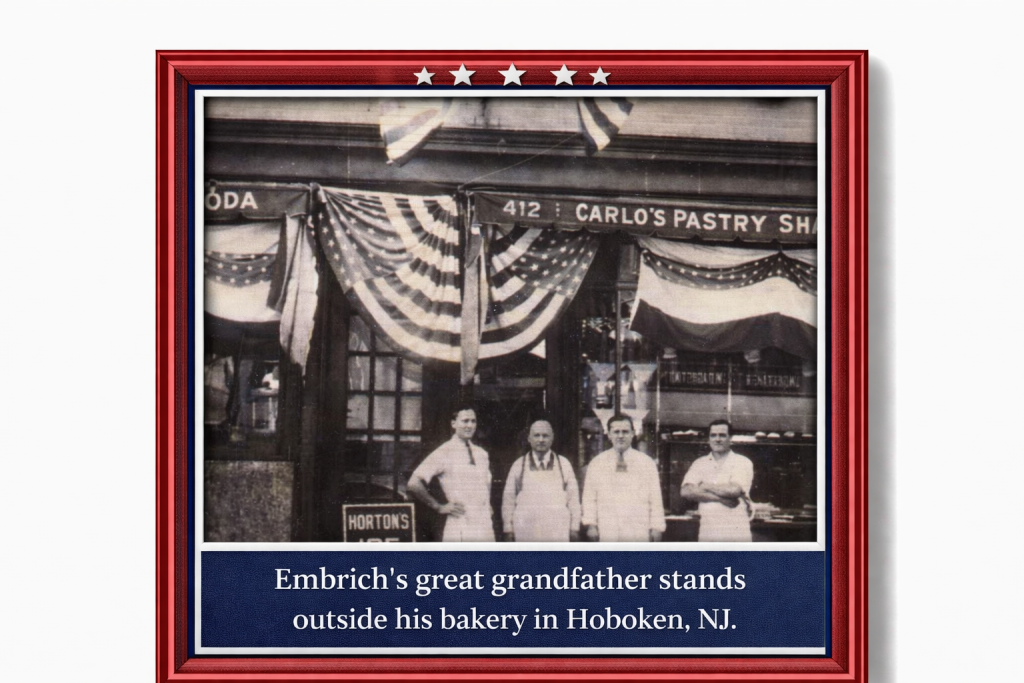
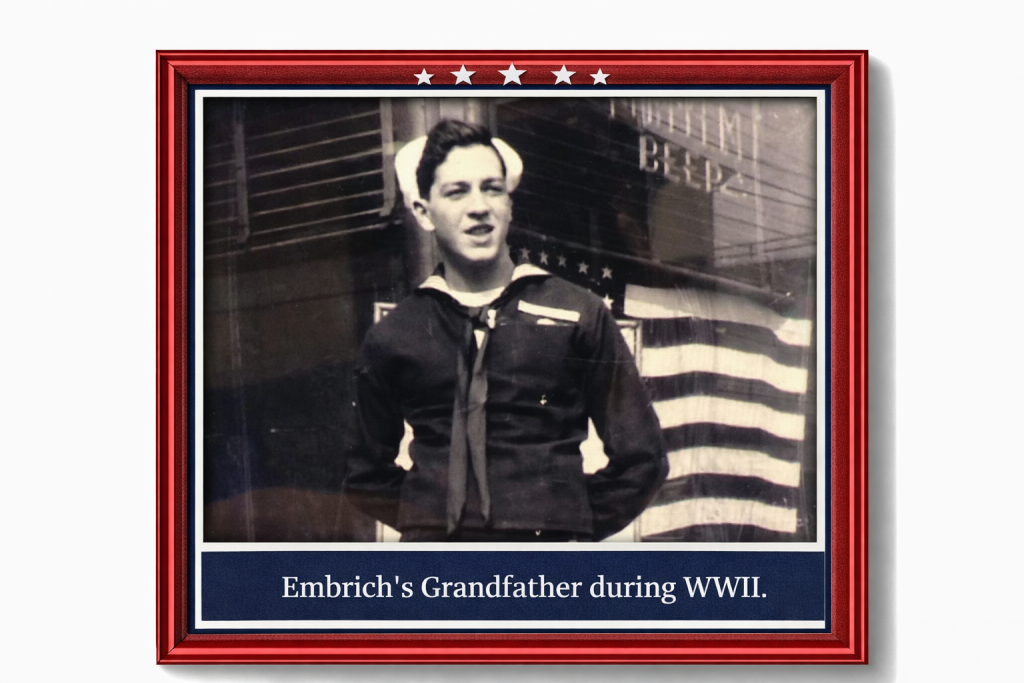
Michael Embrich’s story begins long before he ever wore a uniform or walked the halls of government. It begins with two immigrant families—Italian and German—who came to America with modest means and an outsized belief in hard work, faith, and service. Service wasn’t just something talked about at the dinner table in the Embrich household—it was expected. His great-grandfather wore Navy blue in World War I. His grandfather followed in World War II. That legacy was never about medals or stories told loudly; it was about quietly doing your duty for the people you love and the country you believe in.
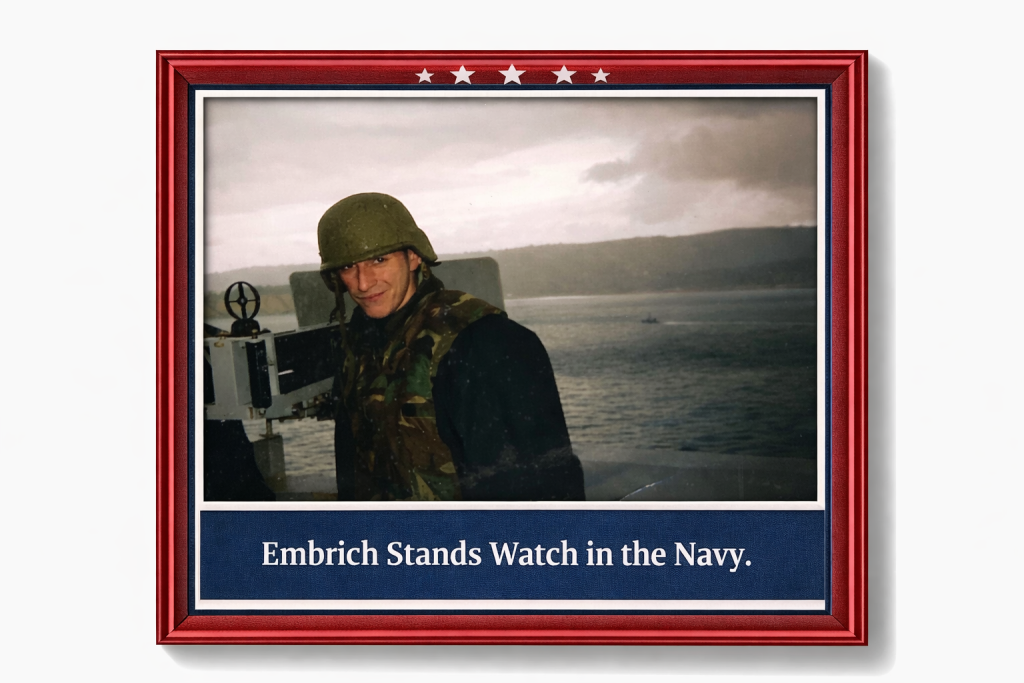
Growing up in Bayonne, New Jersey, Michael learned early what work really means. As a teenager, he clocked in at local factories, shoulder-to-shoulder with people who kept their families afloat with tired hands and stubborn pride. It was there—between the whistle of shift changes and the smell of machine oil—that he decided he wanted to serve in a different way. He joined the military, becoming part of the post-9/11 generation that raised its hand during one of America’s most uncertain times.
When he returned home as one of the first post-9/11 veterans to separate from service, he expected the country he served to be ready for his generation. Instead, he discovered the GI Bill was still built for another era—its payments based on Vietnam-era tuition, nowhere near enough for modern college costs. Rather than accept that reality, Michael went to work. In Washington and in New Jersey, he fought to modernize the benefit. The Post-9/11 GI Bill was passed—opening the doors of higher education for over a million veterans and military families, including himself. It remains one of the largest expansions of veterans’ education in American history, and Michael helped build it.
Since then, he has never stopped fighting for those who served.
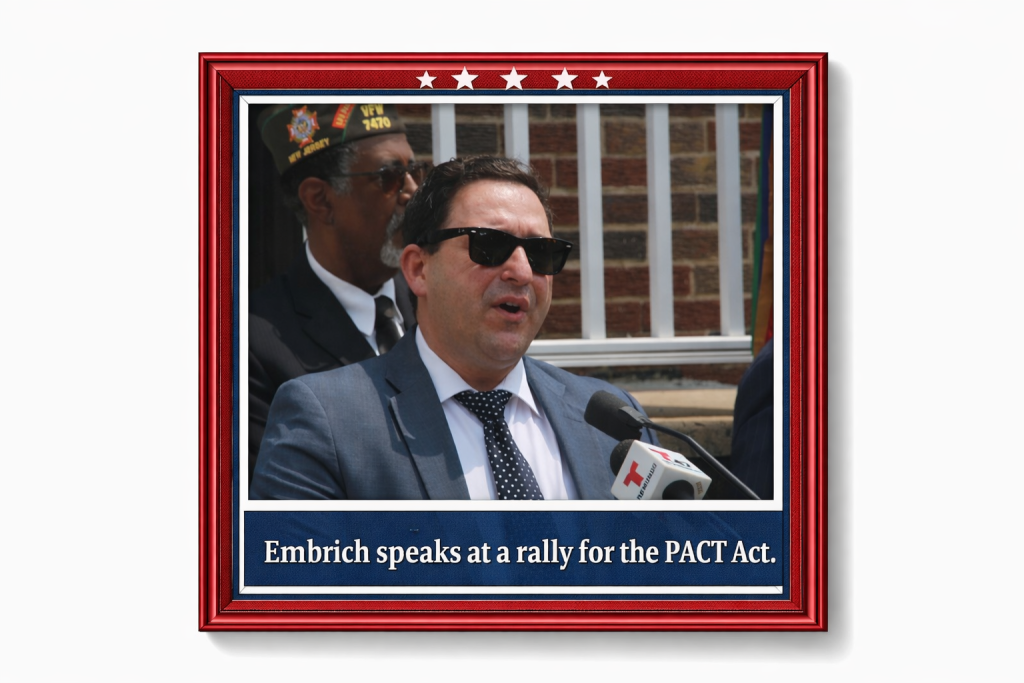
Michael led one of New Jersey’s major veterans service organizations as State Commander. He worked on President Obama’s Zero Veterans Homelessness Initiative in New York City, helping move thousands of veterans into secure housing. He continued his service as a civilian leader within the military, supporting those in uniform while working to fix the systems around them.
When toxic exposure from burn pits and chemicals began silently killing veterans, Michael helped push for the PACT Act—expanding care and recognition for those with cancers and illnesses tied to their service. He has written extensively and unapologetically about what veterans face today. As a Rolling Stone contributor, he has documented the dismantling of federal protections, attacks on the VA, the firings of dedicated public servants, and the veterans whose lives and livelihoods have been upended by political negligence.